7 October 2026
How to estimate population from a tent count
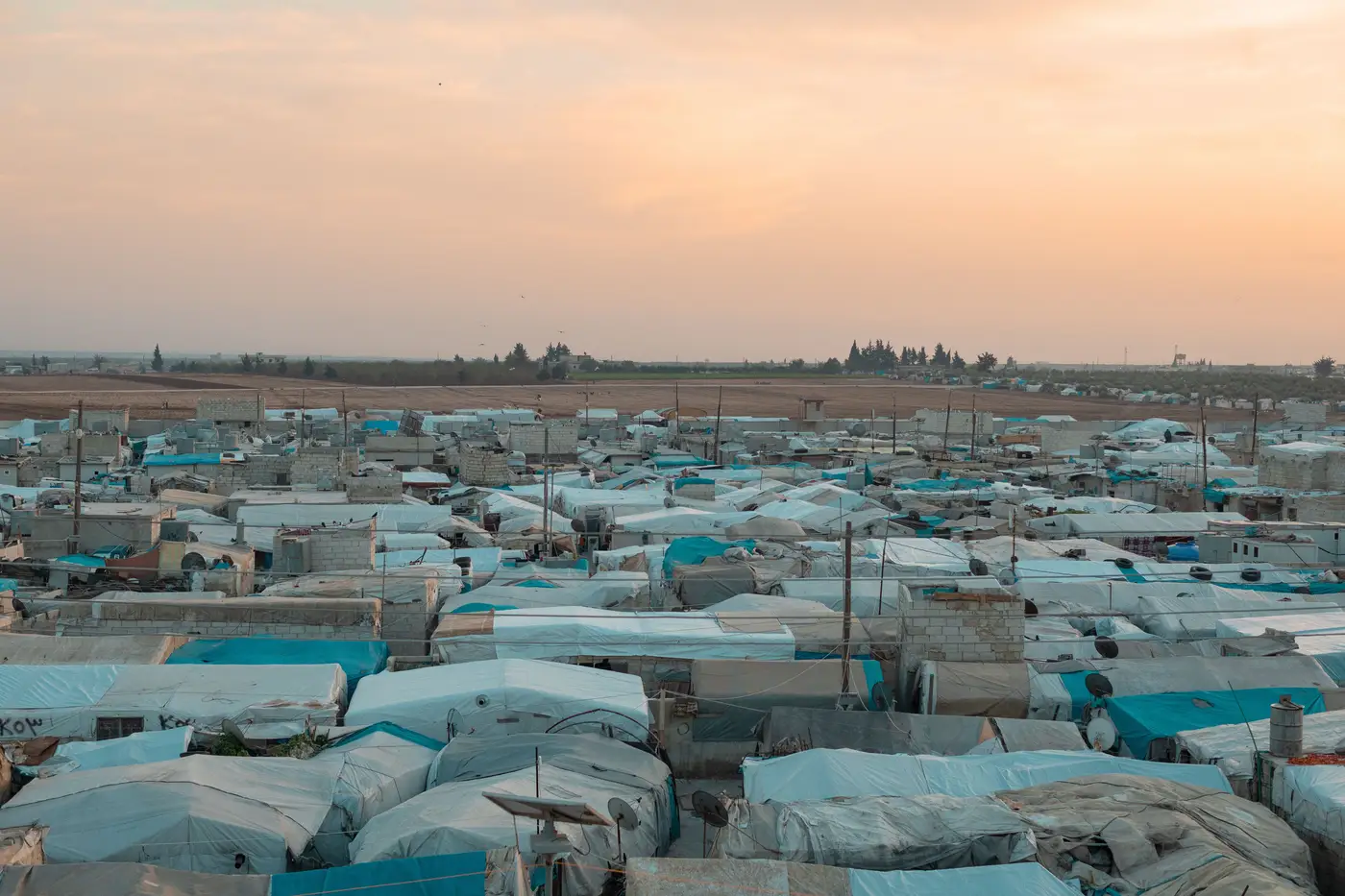
A tent count only tells you half the story. The other half is the multiplier you apply to it, and that's the number most sitreps get wrong because it gets borrowed from somewhere else without checking whether it fits the site in front of you.
The basic math is simple: structures counted times average persons per shelter equals estimated population. The part that takes judgment is the multiplier.
Where the multiplier actually comes from
Don't default to a figure from a different emergency because it's the one everyone remembers from a cluster meeting two years ago. Household size swings with displacement type, with how long people have been moving, and with whether extended families are consolidating into fewer shelters to save material and labor. A sudden-onset flood response and a protracted conflict displacement can sit a full person or more apart on average household size.
Pull your multiplier from the closest available registration data for this population, not a generic one. If a registration or verification exercise has already run at this site or a comparable one nearby, use the household size it recorded. If none exists yet, a quick headcount at a food distribution point or water collection line, even a partial one, gives you something sturdier than a sector-wide average pulled from an old report.
Re-check the multiplier when the site composition shifts. A camp that opens with mostly young families looks different three months in once separated relatives and new arrivals have folded into existing shelters or put up their own.
What throws the count off
Structure counts miss or overstate population for reasons that have nothing to do with imagery quality. A shelter standing empty because its occupants left for a distribution site or moved to relatives nearby still counts as a structure. A single large family tarp housing three nuclear families counts as one structure but carries triple the population of a standard tent. Tents put up for storage, for a shop, or for communal cooking get counted as shelters by anyone working from a count alone, and they'll skew your number high if you don't walk the site or cross-check against registration.
This is also where the gap between "structures counted" and "population housed" widens fastest in a spontaneous settlement, where there's no camp layout, no assigned plot size, and no consistent shelter type to anchor your assumptions. A planned camp with uniform family tents gives you a tighter multiplier. A roadside settlement that grew overnight out of whatever materials people had gives you a much rougher one, and you should say so in your estimate rather than presenting false precision.
Treat the multiplier as a live variable you update as conditions change. Note which figure you used and where it came from, so the next person reading your sizing memo can see the assumption and update it rather than inherit it blind.
Keeping the count current
None of this matters much if the underlying structure count is stale. A multiplier applied to a count that's six weeks old just compounds an old error with a confident-sounding population figure. Sites grow fast in the first month of a response, shelters get subdivided, and new arrivals set up on the edge of the footprint faster than a single ground visit can track.
This is the gap Displacement Monitoring is built around: a weekly shelter count and change layer pulled from satellite or aerial imagery, so you're applying your multiplier to a current structure count instead of whatever the last registration or site visit happened to catch. New shelters, growing or shrinking footprints, and spontaneous settlement spread all show up as a map layer or CSV you can drop straight into a sizing memo.
If you're sizing a response and your last hard number on shelter count is older than a week, it's worth checking what's changed before you finalize the multiplier.