19 October 2026
Field notes: the week the registration queue couldn't keep up with the tents
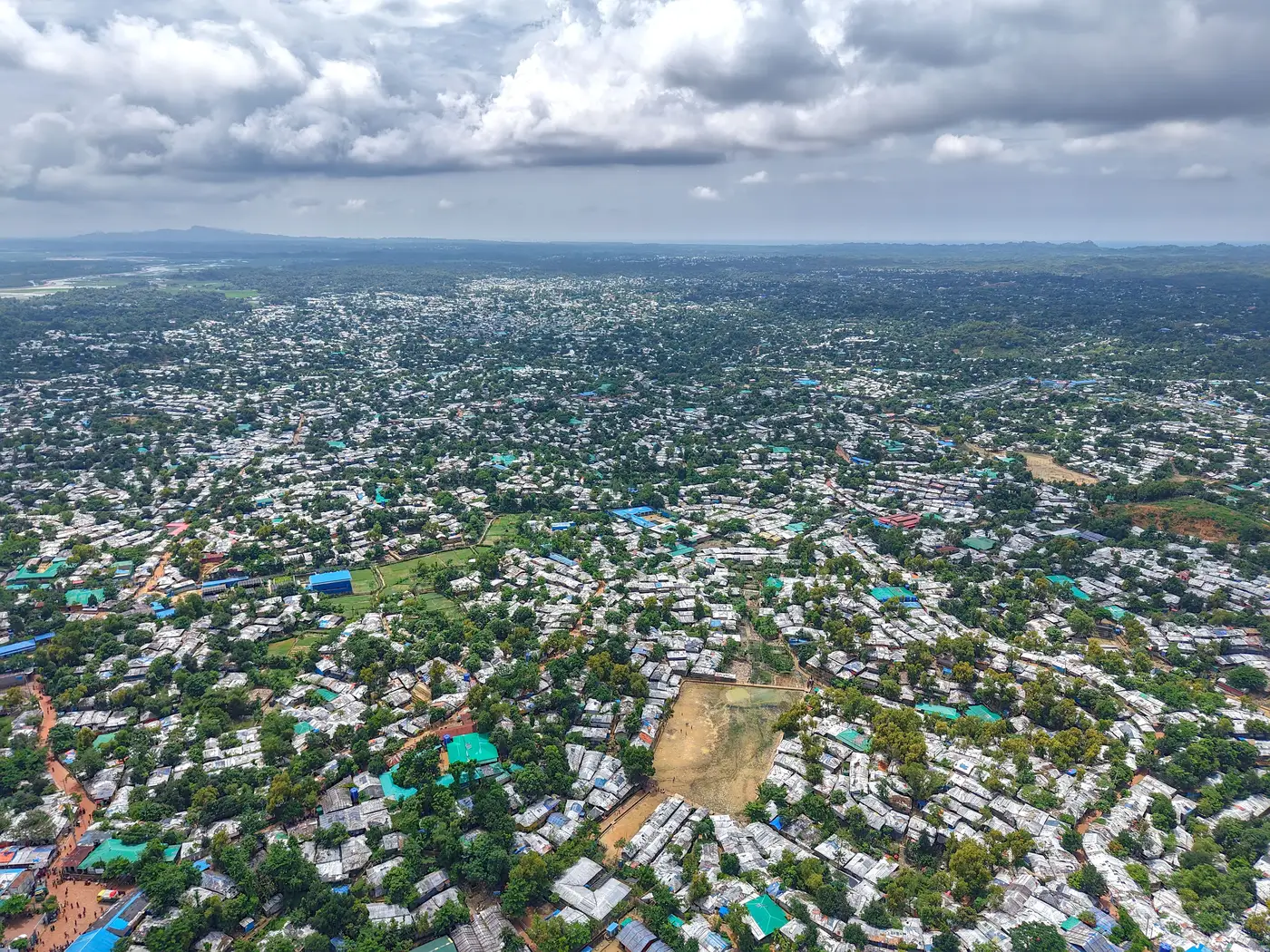
There's a particular kind of exhaustion that sets in around day nine of a rapid displacement event. The first seventy-two hours have their own adrenaline. This is the slower grind that comes once the initial response is standing and the registration line is still growing every morning instead of shrinking.
I've sat in enough coordination meetings to know the question that always lands wrong: "How many people are we planning for?" Someone pulls up last week's registration total. Someone else says the number from the windshield survey three days ago was already higher than that. A third person, usually water and sanitation, says they're seeing tents in a drainage line that wasn't on anyone's list. Everyone is technically right, and the room still doesn't have an answer anyone can plan a latrine block against.
The thing nobody says out loud is that registration counts people who showed up to be counted. It's a lagging indicator by design, and that's a reasonable thing for it to be, not a criticism of the teams running it. But a household that pitched a tarp last night and hasn't found the registration tent yet doesn't disappear from your water trucking requirement just because they're not on a list. In a fast-moving event, the gap between "registered" and "present" can run to a few thousand households before anyone catches it, and the catching usually happens the hard way: a borehole runs dry two weeks early, or a site visit turns up a settlement nobody budgeted latrines for.
What struck me most in one recent response was where the overflow showed up: along a drainage channel about four hundred meters off the main footprint, ground nobody would have chosen for a camp extension, because the people pitching tents there weren't choosing it either. They were taking whatever flat ground was close enough to walk to. By the time a site visit flagged it, there were enough structures there to need its own water point, and the request for one took another week to work through because nobody had it on a map yet.
The gap that costs time is the lag between a cluster forming and someone with a budget line noticing it formed. Ground teams are stretched thin in the first weeks of any response, and a site visit every few days means anything that happens between visits is invisible until it isn't.
It's worth separating two different questions that get conflated in these meetings. "How many people are registered" is a protection and assistance-targeting number, and it should stay that way. "How much shelter footprint is on the ground and how fast is it growing" is a different question, and it's the one planning needs answered first, because it drives water trucking volumes, latrine siting, and road access well before anyone has finished registering a household.
Imagery can answer the second question without waiting on the first. A weekly pass over the site and its surroundings, read for new structures and growing footprints rather than for faces or names, puts a count and a shape on a map the same week a cluster forms, instead of the week someone drives out to look. That's the gap Displacement Monitoring is built to close: a structure count and a change layer, delivered on a weekly cadence, so the drainage-line settlement shows up as a shift in the data before it shows up as a surprise at the coordination meeting.
None of this replaces registration. It just means the room doesn't have to choose between last week's list and this morning's windshield survey when someone asks how big the response actually needs to be.
If your next coordination meeting has that same gap in it, it's worth seeing what a weekly structure count would have shown you instead.